
9mm Ammo Buying Guide: Stock Up on the Best Rounds for Range and Defense
Have you ever wondered why the 9mm cartridge is so universally trusted for personal defense and target shooting? At its core, 9mm ammo uses a small, primed case filled with propellant that ignites to push a jacketed bullet down the barrel at high speed, offering a perfect balance of manageable recoil and stopping power. This round’s combination of **consistent accuracy and reliable feeding** makes it incredibly easy to shoot well, whether you’re a beginner at the range or a seasoned shooter honing your skills. Just pick the right bullet weight, like a 115 or 124 grain, and you’ll find it’s a versatile, cost-effective choice that performs beautifully in most modern pistols.
Understanding the Core Specifications of This Popular Cartridge
The core specs of 9mm ammo start with the case length of 19.15mm and an overall cartridge length near 29.69mm, which keeps chambering reliable in most pistols. The bullet diameter sits at 9.01mm, while the standard pressure level is 35,000 psi, though +P loads push close to 38,500 psi—knowing this matters if your gun isn’t rated for hotter rounds. You’ll commonly see bullet weights from 115 to 147 grains, with 124 grains offering a solid balance of recoil and terminal performance. Muzzle velocity typically ranges from 950 to 1,200 fps depending on barrel length and load. Understanding these numbers helps you pick the right 9mm for self-defense versus target practice. That said, the spec that truly changes your shooting experience is the bullet’s sectional density, not just its weight. Always match your 9mm’s pressure rating to your firearm’s stamped certification.
What Do the Numbers on the Box Actually Mean?
The numbers on a 9mm box are your cheat sheet, not a secret code. The first big figure, like **115, 124, or 147**, is the bullet weight in grains—heavier means softer recoil and deeper penetration, lighter means snappier flip and flatter trajectory. Next, you’ll see a velocity rating in feet per second, which tells you how fast that projectile leaves the barrel; pair it with weight to gauge energy. Finally, look for the two-digit pressure mark, such as +P or +P+, which signals hotter, higher-pressure loads. Reading these three figures helps you pick the right feel and performance for your gun.
How Bullet Weight and Velocity Affect Your Shooting Experience
In 9mm ammo, bullet weight and velocity directly shape your shooting experience. Heavier 147-grain rounds, often subsonic, produce a gentler push and less muzzle flip, making rapid follow-up shots feel smoother and more controllable. Lighter 115-grain loads zip out faster, resulting in a snappier recoil impulse and a flatter trajectory, which helps you stay on target at longer ranges. Mid-weight 124-grain rounds strike a balanced feel, offering moderate recoil with slightly higher velocity for reliable slide cycling. Choosing the right combination means tuning your perceived recoil, sight recovery speed, and target impact energy to match your comfort .32 ACP Ammo for Sale and purpose at the range.
Heavier, slower bullets soften recoil; lighter, faster ones sharpen it—your feel and follow-up speed depend on this balance.
Decoding the Difference Between Standard Pressure and +P Loads
Standard 9mm loads operate at a chamber pressure of roughly 35,000 psi, while +P loads push that ceiling to about 38,500 psi, a roughly 10% increase. This higher pressure translates into a measurable velocity gain of 50–100 feet per second, but that boost comes at a cost: accelerated barrel wear and a harsher recoil impulse. While standard pressure offers controlled follow-up shots and prolonged firearm longevity, +P is reserved for situations demanding maximum terminal effect, particularly in shorter-barreled defensive pistols. Critically, decoding the difference between standard pressure and +P loads hinges on your firearm’s rated certification; only guns explicitly marked “+P” should fire these, as older alloy-frame or subcompact designs may suffer frame cracking. The table below summarizes the key mechanical trade-offs.
| Aspect | Standard Pressure | +P Loads |
|---|---|---|
| Peak Pressure | ~35,000 psi | ~38,500 psi |
| Muzzle Velocity (124gr) | ~1,100 fps | ~1,200 fps |
| Recoil Impulse | Moderate | Snappier, more abrupt |
| Firearm Compatibility | All 9mm rated guns | Only +P-rated models |
Selecting the Right Load for Your Specific Purpose
Selecting the right 9mm load hinges entirely on your defined outcome, not on marketing hype. For concealed carry, choose a 124-grain jacketed hollow point with proven barrier blindness and consistent expansion, like a Speer Gold Dot, because velocity from short barrels demands this weight for reliable penetration past 12 inches. For competition, a 147-grain flat-point or a 115-grain round nose at a lower power factor ensures faster sight recovery and minimal muzzle flip, prioritizing accuracy over stopping power. For training, mimic your carry load’s point of aim with a cheaper 124-grain full metal jacket, but verify it cycles your gun reliably. Do not use +P loads in older firearms or subcompacts unless the manual explicitly approves them, as excessive pressure accelerates wear and increases recoil. Match the bullet weight to your barrel length and the intended target’s threat level.
A 115-grain load optimized for a 5-inch barrel can under-penetrate in a 3-inch barrel, so always test your final choice from your actual pistol.
Choosing Between Full Metal Jacket and Jacketed Hollow Point for Practice
For 9mm 6.8 SPC Ammo for Sale practice, full metal jacket (FMJ) rounds are the decisive choice due to their lower cost and reliable feeding in high-volume drills. Jacketed hollow points (JHP), while ideal for defense, are expensive and can cause premature wear on target stands due to their expansion. Reserve JHP for occasional function-checking of your carry magazine—shoot a box to confirm reliable feeding and zero—then switch back to FMJ for all repetitive work. A clear sequence is: first, confirm your gun cycles your chosen JHP flawlessly; second, use those same JHP for your defensive zero; third, train exclusively with FMJ for recoil management and accuracy. This keeps your practice budget efficient without sacrificing defensive reliability verification.
Which Grain Weight Performs Best for Self-Defense Scenarios
For self-defense scenarios, the 124-grain and 147-grain loads dominate, but the winner depends on your barrel length and recoil management. In a compact carry pistol, 124-grain +P rounds deliver a sharper impulse that cycles slides reliably and expands consistently through heavy clothing, making it the most versatile choice. Heavier 147-grain subsonics shine in suppressed setups, offering deeper penetration and softer felt recoil for rapid follow-up shots, though they can under-penetrate in shorter barrels if underpowered. Lighter 115-grain rounds are snappy, causing muzzle flip that slows your split times. Ultimately, test both 124 and 147 through your exact firearm—pick whichever prints tight groups under stress and feeds flawlessly.
For practical self-defense, 124-grain +P offers the best blend of penetration, expansion, and reliable cycling in most 9mm handguns.
How to Match the Cartridge to Your Barrel Length for Optimal Performance

Barrel length dictates how completely 9mm powder burns before the bullet exits, directly shifting your optimal cartridge choice. A 3-inch compact barrel favors heavier, 147-grain subsonic loads because slower powders create more consistent pressure, reducing unburned residue and muzzle flash. Conversely, a 5-inch duty or competition slide allows lighter 115-grain loads with faster powders to reach higher velocities, maximizing flat trajectory and energy. For a 4-inch barrel, a 124-grain 6.5×55 Swedish Ammo for Sale jacketed hollow point is often the sweet spot, balancing velocity and penetration. Test your carry ammo by firing from your exact firearm, not a longer test barrel. Match the cartridge’s burn rate to your barrel’s dwell time for reliable cycling and accurate point-of-impact.
- Chronograph your loads—a 50 fps drop from a short barrel 6.5x57mm Mauser Ammo for Sale may indicate a mismatched powder.
- Use 147-grain loads in subcompact pistols to minimize muzzle rise.
- Verify fully expanded hollow points at your specific barrel’s velocity, not factory box data.
Maximizing Accuracy and Reliability at the Range
Maximizing accuracy and reliability with 9mm ammo begins with matching bullet weight to your barrel’s twist rate; 115-grain rounds often cycle faster in Glock-style actions, while 147-grain subsonic loads stabilize better in suppressed or longer-barreled setups. Consistency in seating depth and crimp directly affects chamber pressure, so using factory-new, headstamp-matched brass from a single lot reduces point-of-impact shifts. For reliability, test a minimum of 200 rounds of your chosen 9mm load per magazine type, specifically checking for feeding failures with hollow points, as feed-ramp geometry varies. Clean and lightly lubricate the extractor and chamber every 500 rounds, since carbon buildup in 9mm causes sluggish ejection before visible accuracy loss.
Shoot from a rested position at 25 yards with the same magazine and grip pressure each string; velocity spread over 20 rounds tells you if the lot is consistent enough for zeroing.
Finally, avoid over-lubricating the slide, as excess oil attracts unburnt powder, which degrades both accuracy and cycling.
Tips for Reducing Recoil and Muzzle Flip with Your Chosen Rounds
To reduce recoil and muzzle flip with your chosen 9mm rounds, start by matching bullet weight to your firearm’s recoil spring; a heavier 147-grain load cycles more slowly, softening perceived snap, while 115-grain rounds produce sharper impulse. A firm, high grip—placing your support hand as high on the frame as possible—directs muzzle energy rearward instead of upward. For reducing recoil and muzzle flip in 9mm loads, install a heavier guide rod and a compensator if your slide permits, which vents gas to counteract lift. Finally, maintain a locked wrist and lean slightly forward, letting your body absorb the push rather than resisting it.
Selecting the right grain weight, optimizing your grip, and adding recoil-control hardware are the core practical methods for reducing recoil and muzzle flip with your chosen 9mm rounds.
How to Test Different Lots and Brands for Consistent Point of Impact
To pin down consistent point of impact across 9mm lots, start by zeroing your optic or irons with a single control lot, shooting from a rested bag at 15 yards. Then, without adjusting the sight, fire a five-shot group from each new lot or brand at the same bullseye. Measure the distance between each group’s center and your zero—anything under two inches is acceptable for defensive use. Record temperature and velocity for context, as cold batches often print low. Repeat the test twice on separate days to confirm the shift isn’t shooter error.
- Fire control lot first, then test lots without touching the sights.
- Use the same gun, rest, and target distance for every sample.
- Mark group centers with calipers to compare drift precisely.
- Retest any lot that shifts more than two inches from zero.
Proper Storage Methods to Preserve Primer and Powder Integrity
To preserve primer and powder integrity in 9mm ammunition, store loaded rounds in a cool, dry environment below 75°F, as thermal cycling accelerates propellant decomposition. Maintain relative humidity under 50% using desiccant packs inside sealed, airtight ammo cans; moisture intrusion degrades primer compounds, causing misfires or hangfires. Keep cartridges upright in factory trays or reloading blocks to minimize powder shifting, and avoid direct sunlight or attic spaces where temperature spikes occur. Rotate stored stock every six months, using older 9mm first, to prevent age-related stabilizer depletion. Consistent, climate-controlled storage directly sustains .32 Win Special Ammo for Sale ballistic uniformity across your entire batch. Never store loose rounds in fabric pouches that wick dampness.
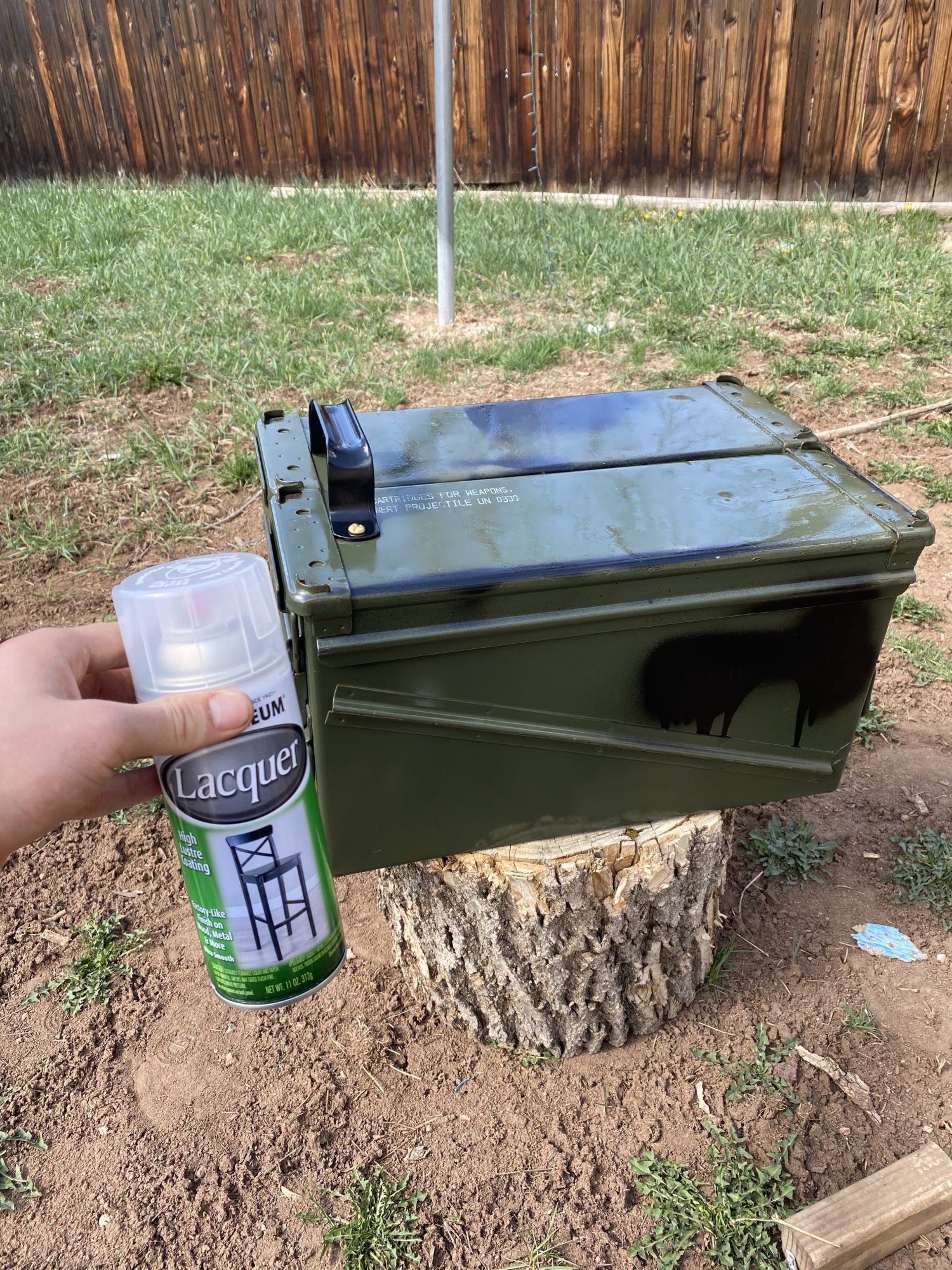
Proper storage—sealed, cool, low-humidity, and position-stable—ensures primer sensitivity and powder burn rate remain unchanged for reliable accuracy.
Getting the Best Value Without Sacrificing Quality
Getting the best Ammunition for Sale value in 9mm ammo means balancing cost per round against reliability and accuracy for your specific firearm. Bulk purchases of brass-cased, full metal jacket loads from reputable brands like CCI, Federal, or Sellier & Bellot often deliver the lowest prices without the feed issues common in steel-cased budget options. For defensive use, do not compromise; quality hollow points from Speer or Hornady justify their premium, but for range practice, match your lot to your gun’s recoil spring weight to avoid malfunctions that waste rounds. **The smartest saving method is buying 500-round cases online during sales, then testing 50 rounds first for function.** *Q: Does cheaper 9mm always mean worse performance? A: Not if it’s new brass-case from a major manufacturer—only avoid remanufactured or unknown brands.* Stick to a consistent grain weight (115 or 124) to maintain point-of-aim, ensuring every cheap round counts.
Where to Look for Reliable Bulk Pricing on Practice Rounds
To lock in reliable bulk pricing on practice rounds, skip the big-box retail shelves and go straight to specialized online ammo distributors that update live inventory daily, like Target Sports USA or SGAmmo. These sites often offer tiered discounts where buying 500 or 1,000 rounds drops the per-box cost significantly compared to buying 50 at a time. Set up a price alert on AmmoSeek to track when your preferred brand—whether Federal, Blazer, or a remanufactured load—dips below your target cost per round, then verify shipping costs before committing, as a heavy crate can erase savings. Also, check manufacturer direct “bulk packs” or case-lot specials, which frequently include free shipping incentives.
- Compare per-round cost across 3–4 sites before checkout, not just total cart price.
- Subscribe 6.5x57R Ammo for Sale to distributor newsletters for flash sales on 9mm cases.
- Buy in full cases (1,000 rds) to unlock the lowest tier pricing.
- Confirm the seller’s restocking fee policy if you need to adjust your order.
How to Spot Signs of Overpressure or Defective Cartridges
To spot signs of overpressure in 9mm cartridges, first inspect the primer after firing—a flattened or cratered primer with a sharp, penetrating firing-pin strike indicates excessive pressure. Next, check the case head for a shiny, rubbed ring or ejector swipe marks, which signal the case is being forced rearward under too much chamber pressure. A bulged or smeared case base is another red flag. Defective cartridges show obvious physical cues before loading: check for a pushed-in or deeply seated bullet, a cracked or split case mouth, and corrosion or green verdigris on the primer or case. Finally, listen for an abnormally loud report or feel excessive recoil—both are practical, immediate indicators of a bad round. Any of these findings warrants discarding the ammunition. Early visual inspection of https://specialtysportsandsupplyltd.com/ case and primer is your most reliable safety step.
Why Some Budget Loads Outperform Premium Options in Your Firearm
In 9mm, a budget load can outperform a premium option when its pressure curve and bullet seating depth align better with your firearm’s specific chamber and recoil spring. Cheaper ammunition often uses slightly softer primers and lighter powder charges, which reliably cycle ergonomic pistols with tighter tolerances, whereas premium loads may be tuned for competition or carbines, causing short-stroking in your compact slide. Budget loads outperforming premium options typically comes down to three practical elements:
- Feeding reliability, as blunt-nosed budget bullets often mimic defensive hollow-point geometry more consistently in your magazine ramp.
- Consistent velocity, since budget powder fills the case more uniformly in colder weather, preventing lags in lock time.
- Extractor tension—budget brass is often softer, gripping your extractor better without rim tears.
Test five brands at 15 yards; the load that returns to zero fastest is your true value.
Common Pitfalls and Simple Fixes When Using This Ammunition
The most common pitfall with 9mm ammunition is limp-wristing a polymer-framed pistol, causing stovepipes or failures to eject—simply tighten your grip and lock your wrists. Another frequent issue is using underpowered reloads or “short” 9mm rounds (like 9mm NATO vs. standard pressure) that fail to cycle a stiff recoil spring; fix this by sticking to factory-loaded 115–124 grain rounds for break-in. Conversely, over-lubricating the chamber can cause failure to battery; wipe the barrel hood and feed ramp dry. Also, don’t mix aluminum-case ammo with tight-chambered barrels—it can stick on extraction. Q: Why does my 9mm fail to feed with hollow points? A: The feed ramp angle or magazine lips need polishing or a slight adjustment for JHP profiles. Always test three box types before carrying any defensive load.
What to Do When Your Firearm Fails to Cycle with a New Brand
When your 9mm pistol fails to cycle with a new brand, first rule out a limp wrist by locking your grip and shooting a few rounds. If malfunctions persist, test the new ammunition’s recoil impulse by checking your extractor for debris and ensuring the slide moves freely. Then, switch to a factory magazine to isolate feed issues. If short-stroking occurs, increase your grip pressure and try a hotter load from the same brand. Finally, clean and lightly lubricate the rails, as new coatings or thicker .338 Lapua Ammo for Sale case lacquer can cause drag. Test one box before committing to a case.
How to Identify and Avoid Squib Loads During a Session
A squib load during a 9mm session is subtle but survivable if you stay alert. The first sign is a weak pop instead of a normal crack, followed .35 Remington Ammo for Sale by reduced recoil and a slide that fails to cycle fully. Immediately stop firing, keep the muzzle pointed downrange, and clear the chamber to check the barrel for an obstructing bullet. If the next round chambers but feels tight or the slide won’t close completely, suspect a bore obstruction. Avoid forcing any action. Always listen for pitch changes and trust your senses over momentum. If uncertain, rod-check the barrel before continuing.
- Pause after every unusually quiet report to inspect the muzzle for debris.
- Compare ejection patterns—a squib often leaves the casing stuck or barely ejected.
- Use a cleaning rod to confirm the bore is clear before loading another magazine.
- Count your shots; if one round feels missing in action, verify the barrel visually.
Why Cleaning Your Gun After Using Certain Rounds Extends Its Lifespan
Certain 9mm loads, particularly those with uncoated lead projectiles or heavy copper fouling, leave aggressive residue that accelerates wear. Lead dust and wax lubricants build up in the chamber and barrel throat, increasing friction and pressure. If left, these deposits can corrode the steel and cause extraction failures. Additionally, high-pressure defensive ammo with sealed primers can leave carbon rings that bind the cylinder or slide. Cleaning after such rounds removes abrasive particulates before they score the rifling or erode the feed ramp. A simple solvent and brush pass prevents premature throat erosion and maintains headspace tolerance, directly preserving functional clearance and metal integrity. Skipping this step with these specific loads shortens service life dramatically.